
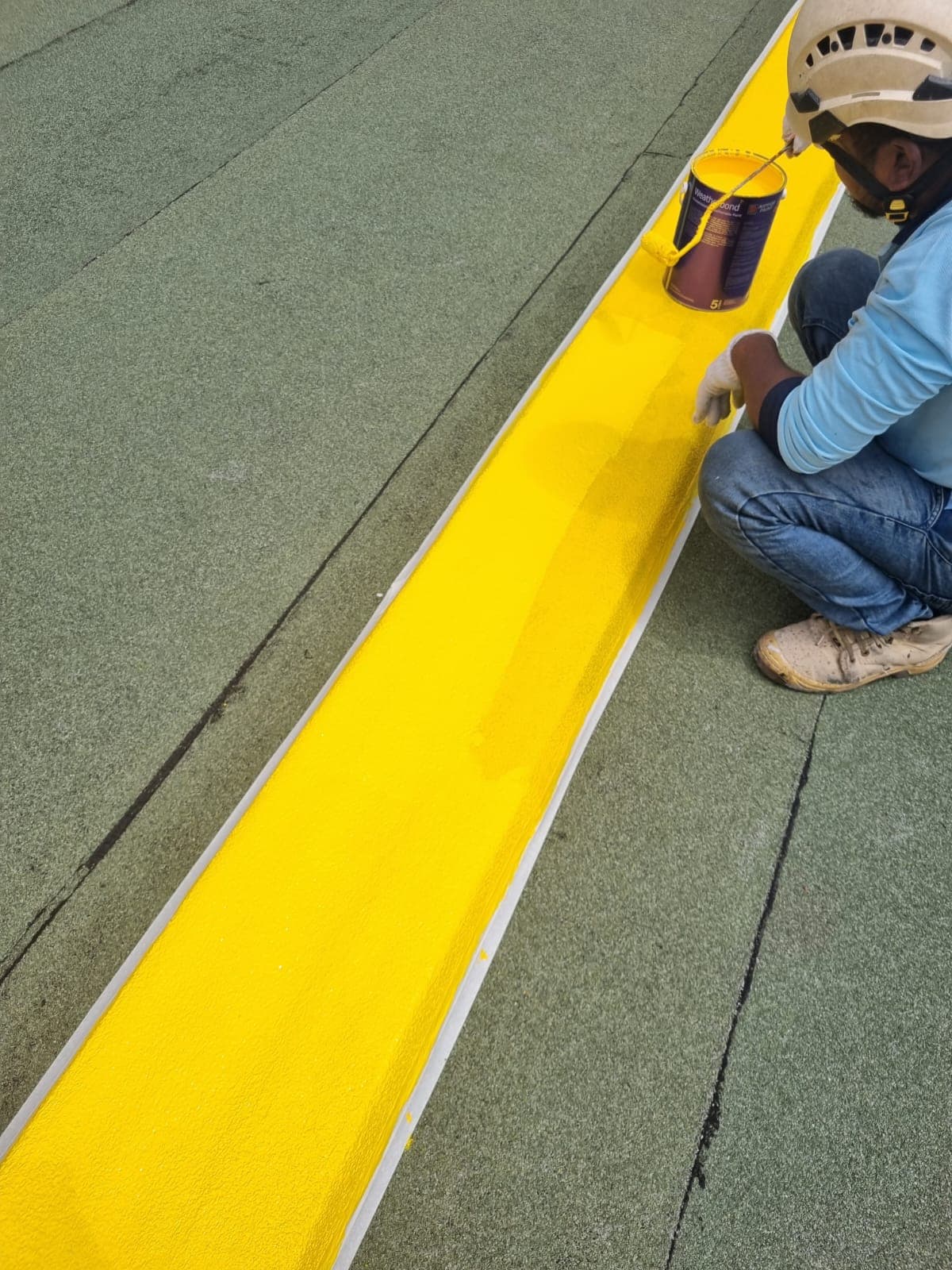
What Is PU Grouting?
A damp patch keeps coming back on your ceiling. The tiles above look perfectly fine, so the idea of hacking up a whole floor to chase one leak feels like using a sledgehammer on a crack. This is exactly the situation polyurethane grouting was made for, and it is often the difference between a tidy repair and a major renovation.
What PU grouting actually is
PU grouting, also called polyurethane injection, is a method of stopping leaks from inside the structure rather than from the surface. A specialist drills small ports into the concrete, then injects liquid polyurethane resin under controlled pressure directly into the crack or joint that is letting water through.
The clever part is what the resin does next. On contact with moisture it reacts and expands, foaming up to fill the entire void and follow the water path wherever it runs. It then cures into a tough, flexible seal that bonds to the surrounding concrete and blocks the leak at its source.
How it stops a leak without hacking
A traditional repair often means removing tiles, screed and the old membrane to get at the problem. PU grouting skips most of that. Because the resin is injected through small ports and travels inside the concrete, your finishes usually stay in place.
That makes it a cornerstone of non-hacking leak repair. For a homeowner that means far less dust, noise and downtime, and a bathroom or balcony that is back in use quickly rather than out of action for weeks.
Where PU grouting works best
PU injection is versatile, but it shines in specific situations where water is moving through cracks and joints in concrete. It is a strong choice for:
- Cracks in structural concrete, including walls, slabs and columns that have developed fine fractures over time. These often overlap with concrete repair and waterproofing work where the surrounding concrete also needs attention.
- Construction and movement joints where two concrete pours meet and water has found the seam.
- Basements, lift pits and water tanks, where water is pushing in from the outside under pressure.
- Bathrooms and wet areas, where a leak is travelling down to the unit below but the tiles above are sound. If a ceiling leak in a condo is involved, our guide on who is responsible for a condo ceiling leak in Singapore explains how blame and repair costs are usually sorted out.
To see how it sits alongside membranes, coatings and crystalline systems, our guide to the 7 common waterproofing materials used in Singapore shows where each one fits.
Waterproofing resin sealing a concrete joint on a Singapore roof
Why it suits Singapore's climate
Our conditions reward a sealant that can move and endure. The cured polyurethane stays flexible, so it accommodates the daily thermal expansion that opens and closes cracks as the building heats up under the sun and cools during a downpour. A rigid filler in the same joint would simply crack again.
It is also well suited to the constant moisture here. Since the resin actually needs water to react and expand, a damp, humid crack is the ideal environment for it to seal properly and stay put. That is a real advantage over many surface treatments, which struggle to bond to a wet substrate and often have to wait for a dry spell that rarely comes in our climate.
Why this is a job for specialists
PU grouting looks simple from the outside, but the results depend on getting several things right. The leak has to be traced to its true entry point, which is rarely where the stain appears. The ports must be placed correctly, and the resin injected at the right pressure so it fills the void without over-stressing the concrete.
This is where experience and proper equipment matter. Tracing the leak often calls for careful inspection of how the water travels before a single port is drilled, since the entry point can sit well away from the visible stain. Done well, a PU injection can seal a stubborn leak for years. Done poorly, the resin misses the path and the leak simply returns through the next weak point. For active wet-area leaks, it often pairs with a fresh membrane as part of full bathroom waterproofing so the area is protected for the long term.
A simple takeaway
If you have a recurring damp patch, a hairline crack that weeps after rain, or a leak reaching the unit below, PU grouting is worth assessing before you commit to hacking anything. Not sure whether what you are seeing is a leak at all? Our guide on how to spot water damage in your home covers the early signs. The right diagnosis usually saves both money and disruption.
Common questions
Is PU grouting permanent? A correctly placed PU injection can seal a crack for many years, because the cured resin stays flexible and moves with the concrete. It is most durable when the leak has been traced to its true entry point and, for wet areas, backed up with a fresh membrane.
How long does PU grouting take? Most residential injection jobs are completed within a day, since there is little or no hacking and the finishes stay in place. The exact time depends on how many cracks or joints need treating and how far the water has travelled.
Does PU grouting work on active, wet leaks? Yes. Polyurethane resin needs moisture to react and expand, so a damp or actively weeping crack is an ideal condition for it to seal. This is a real advantage over surface coatings, which often struggle to bond to a wet substrate in Singapore's humid climate.
Is PU grouting better than hacking and re-waterproofing? For leaks moving through cracks and joints in sound concrete, injection is usually less disruptive and cheaper because your tiles and screed stay in place. Where the membrane itself has failed across a whole bathroom or balcony, a hacking or non-hacking waterproofing approach may suit better. A site inspection is the surest way to tell.
Hydroseal has stopped leaks across Singapore since 1995. We offer a free, no-obligation site inspection, an honest read on whether injection alone will solve it, and a Certificate of Warranty on completed work. Call +65 6289 6811 or email enquiry@hydroseal.com.sg to arrange a visit.
Unsure about your property’s waterproofing?
Hydroseal offers a free, no-obligation site inspection, honest advice, no pressure.
Get a free quote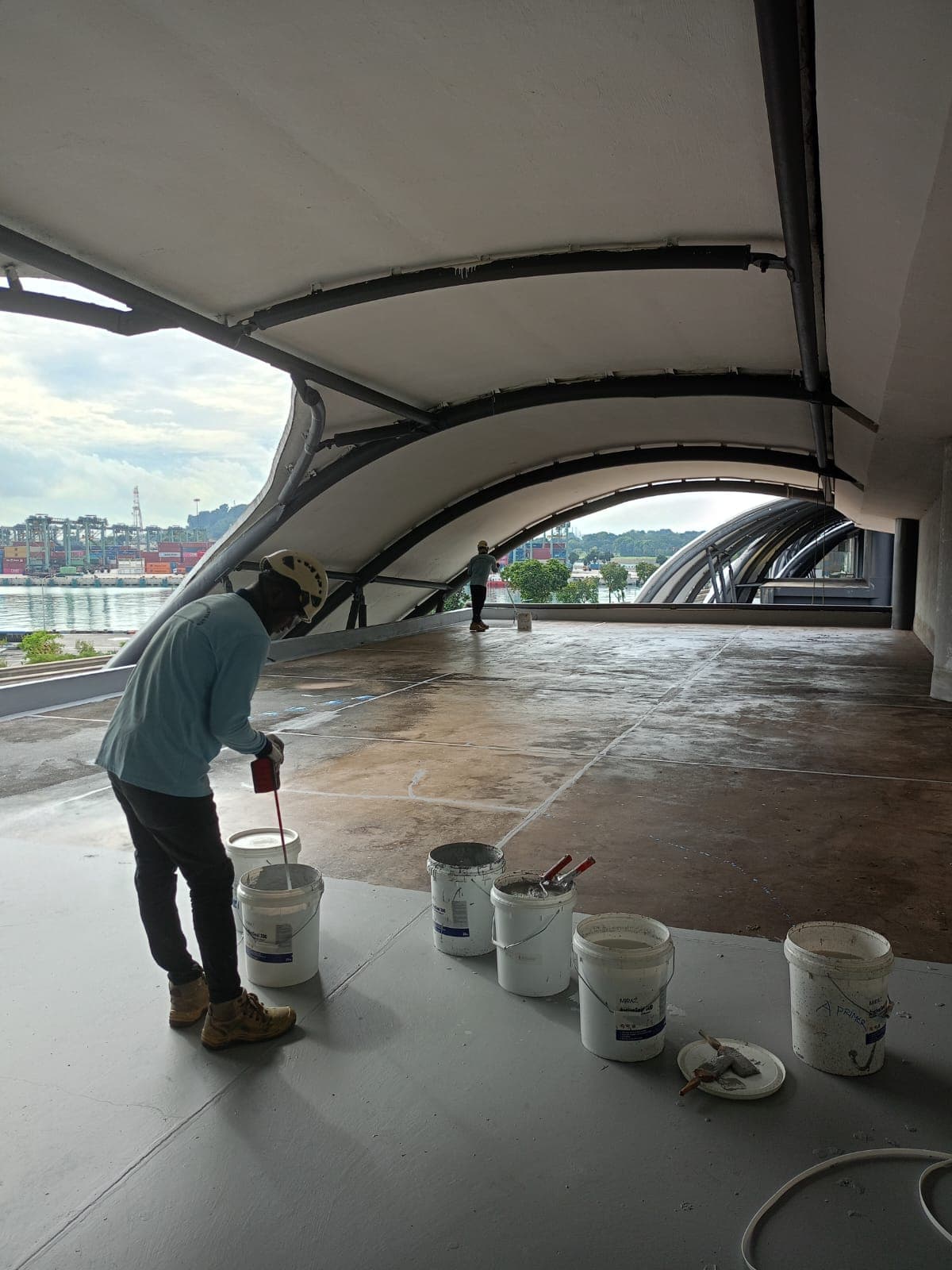
Get a free, no-obligation site inspection
Tell us what’s going wrong and we’ll diagnose the cause, explain your options in plain language, and quote, with no pressure to proceed.
Prefer to talk? Call +65 6289 6811 · We respond within 1 business day.