
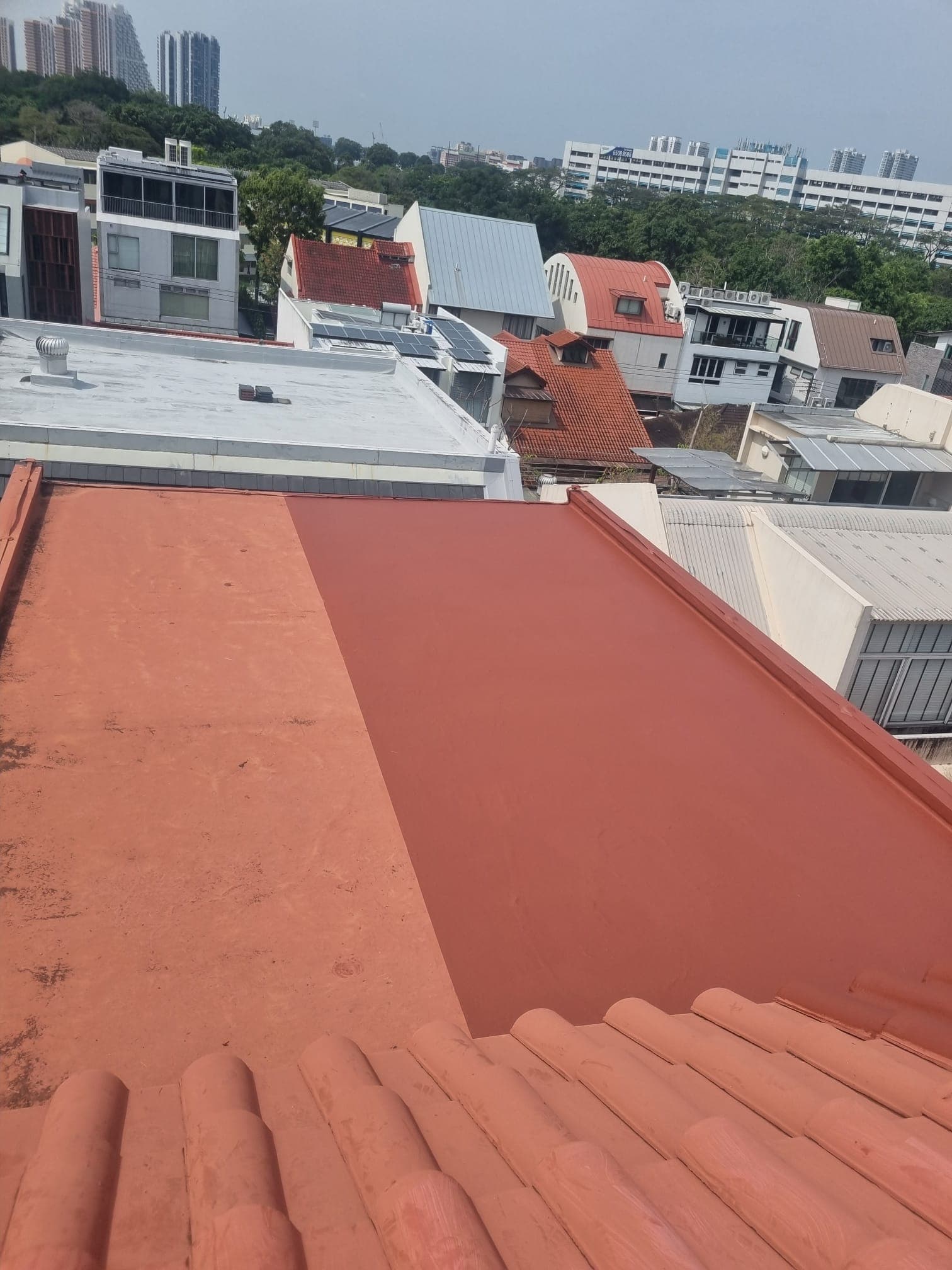
Why Waterproofing Matters in Singapore's Tropical Climate
Few places test a building's waterproofing as relentlessly as Singapore. Heat, humidity and heavy rain work on a structure every single day of the year. That is exactly why waterproofing here is not a luxury or an afterthought, it is basic protection for the value and safety of your property.
What Singapore's climate does to buildings
- Heavy, frequent rain. The Northeast Monsoon (November-January) and Southwest Monsoon (June-September) bring intense downpours that drive water into any crack, joint or worn coating.
- Constant humidity. High year-round humidity keeps surfaces damp and feeds mould and mildew once water gets in.
- Intense UV. Strong sun degrades exposed coatings and membranes, making them brittle and shortening their life.
- Thermal stress. Daytime heat followed by a sudden cool downpour makes materials expand and contract, opening up cracks over time.
Why neglecting waterproofing gets expensive
A small leak rarely stays small. Water that gets into a structure tends to find the reinforcement and the finishes:
- Spalling concrete. Water reaches the steel inside concrete, which rusts, expands and breaks the concrete cover off, a structural and safety issue.
- Ruined finishes. Blistered paint, stained ceilings, warped timber and persistent mould.
- Disputes with neighbours. In condos, a leak from your unit to the one below can become a costly inter-floor dispute, and working out who is responsible for a condo ceiling leak is rarely straightforward.
- Bigger repair bills. What might have been a simple crack injection becomes a major rectification after years of moisture.
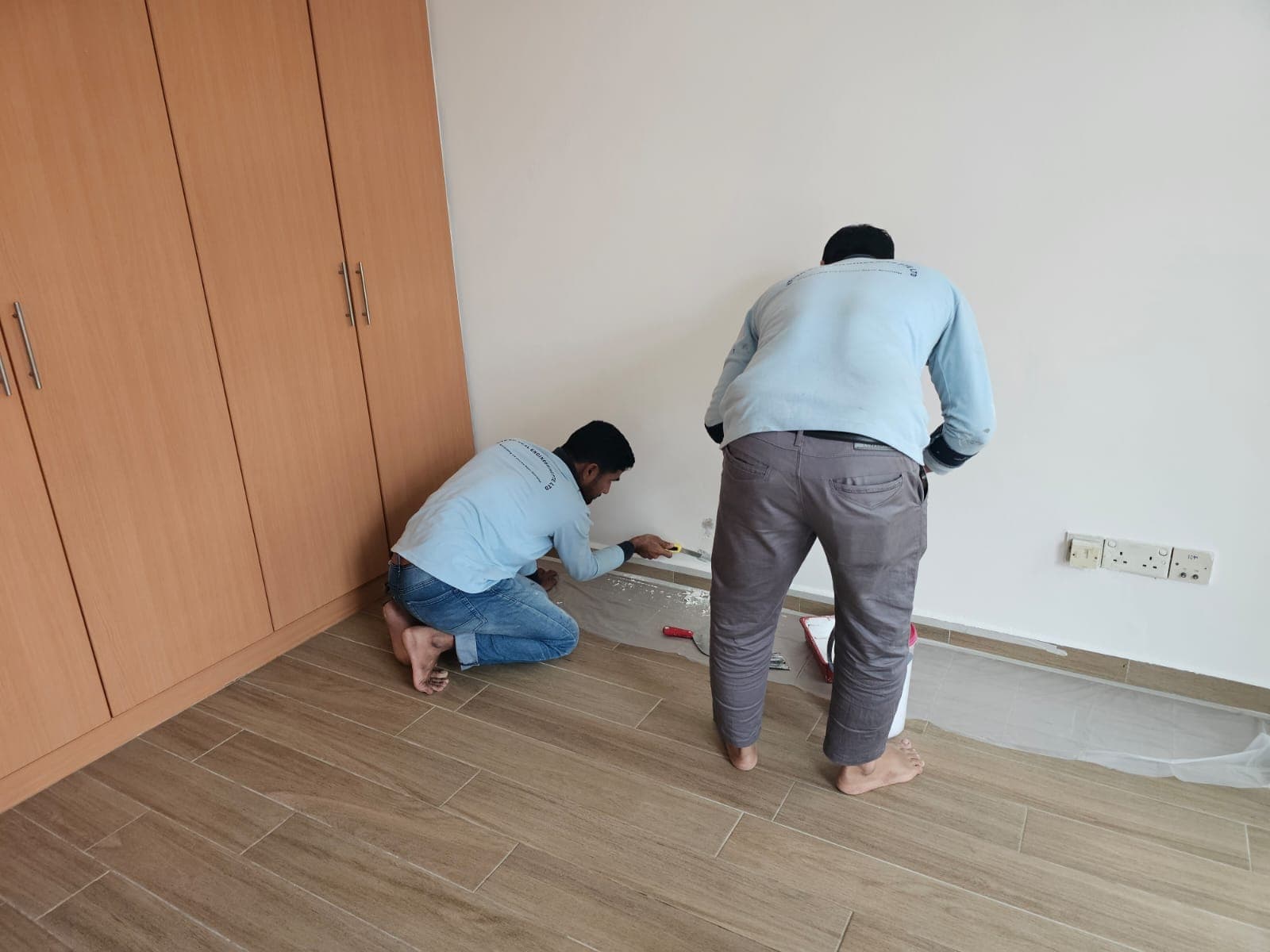 Water damage to an interior wall in a Singapore condominium
Waterproofing is protection, not decoration
Because the damage is hidden until it shows up as a stain, waterproofing is easy to ignore, until it fails. The smart approach in Singapore's climate is to treat it as routine protection: address small problems early, keep roofs and façades maintained, and use systems rated for tropical UV and rain.
Which parts of a Singapore property are most at risk
The tropical climate does not attack every surface equally. A few areas take the heaviest load and tend to fail first, so they deserve the most attention when you plan maintenance.
- Flat and pitched roofs. These sit under full sun and full rain. Ponding water, blocked outlets and brittle coatings are common, which is why a roof that lasts for decades depends on a sound membrane kept in good repair. For landed homes, it helps to know the key areas to inspect on a rooftop before the monsoon arrives.
- Bathrooms and wet areas. Constant moisture and movement open up grout lines and screed cracks. Learning to spot the signs of bathroom water damage early can save a downstairs neighbour, and your wallet, a great deal of trouble. Our bathroom waterproofing service addresses the cause rather than just the stain.
- External walls and façades. Wind-driven rain finds hairline cracks and failed sealant joints, leading to external wall seepage that surfaces as damp patches indoors.
- Balconies, planters and pool decks. Exposed, frequently wet and often planted, these are classic leak points in condos and landed homes alike.
For commercial and strata properties, the stakes are higher still, which is one of the reasons waterproofing is essential for commercial buildings here.
How often to maintain waterproofing in this climate
There is no single rule, because exposure varies. A sheltered internal wet area behaves very differently from a flat roof baking under the equatorial sun. As a practical guide for Singapore conditions:
- Inspect twice a year, ideally before each monsoon season, looking for fresh cracks, blistered coatings, perished sealant and any new staining.
- Re-seal joints when they harden or split. Window and movement-joint sealant has a finite life under UV; timely sealant replacement keeps water out long before a coating fails.
- Re-coat exposed membranes on schedule, following the manufacturer's guidance for the system used, rather than waiting for a leak. Choosing materials rated for tropical UV and rain matters, as set out in our overview of the common waterproofing materials used in Singapore.
- Act on the first stain. A damp patch is information. The earlier you read it, the cheaper the fix, as our guide on how to spot water damage in your home explains.
Regular upkeep is also one of the unexpected benefits of waterproofing: a dry structure stays cooler, healthier and worth more.
A practical takeaway
If you have a recurring stain, damp wall, or a roof that is several years past its last treatment, get it assessed before the next monsoon. Early action is almost always cheaper than emergency repair.
Common questions
Why is waterproofing more important in Singapore than in cooler countries? Singapore sits in the wet tropics, so buildings face heavy rain, near-constant humidity and intense UV every day of the year rather than seasonally. That relentless exposure attacks coatings, joints and concrete far faster, so protection has to be both better and better maintained.
Does the monsoon season really make leaks worse? Yes. The Northeast Monsoon (roughly November to January) and Southwest Monsoon (roughly June to September) bring intense, prolonged downpours that drive water into any existing crack, worn coating or failed sealant. A defect that stays quiet in drier weeks often shows up as a fresh stain after a heavy monsoon spell.
Can humidity alone cause damage without obvious rain leaks? It can. Singapore's high year-round humidity keeps surfaces damp and encourages mould, mildew and corrosion even where there is no dramatic leak, which is why ventilation and intact waterproofing both matter indoors.
Is waterproofing a one-time job or ongoing maintenance? Treat it as ongoing. Even a well-installed system ages under tropical UV and thermal stress, so periodic inspection, sealant replacement and re-coating keep it working, rather than a single application lasting forever.
Hydroseal has protected Singapore properties since 1995. We offer a free, no-obligation site inspection, honest advice on what (if anything) needs doing, and a Certificate of Warranty on completed work.
Unsure about your property’s waterproofing?
Hydroseal offers a free, no-obligation site inspection, honest advice, no pressure.
Get a free quote
Get a free, no-obligation site inspection
Tell us what’s going wrong and we’ll diagnose the cause, explain your options in plain language, and quote, with no pressure to proceed.
Prefer to talk? Call +65 6289 6811 · We respond within 1 business day.